
Can I still get implants if I was told I don't have enough bone?
Often, yes. Bone grafting and a sinus lift can rebuild the bone implants need. A free 3D CT scan shows what is possible for you.
Dental implants are anchored in your jawbone, so the amount of bone you have matters. Bone can be lost after teeth have been missing for a long time, and it can be thin in the upper jaw. That is the most common reason patients are told they are not candidates — and it is often not the last word.
Bone grafting adds bone where it is needed so implants have something solid to anchor to. It is a routine part of implant treatment, and it is planned from your 3D CT scan, which shows exactly where bone is missing and how much is needed.
In the upper jaw, the sinuses sit close to where implants go, and the bone there is often thin. A sinus lift adds bone below the sinus so an implant can be placed in the upper arch. Like bone grafting, it is planned from your scan.
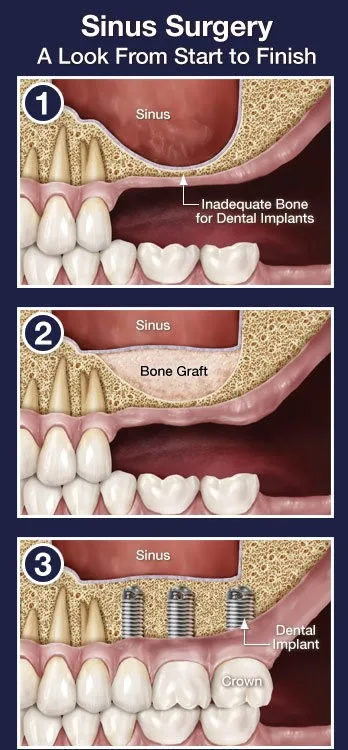
This full-arch dental implant case involved severe bone loss and required sinus grafting and advanced implant techniques.
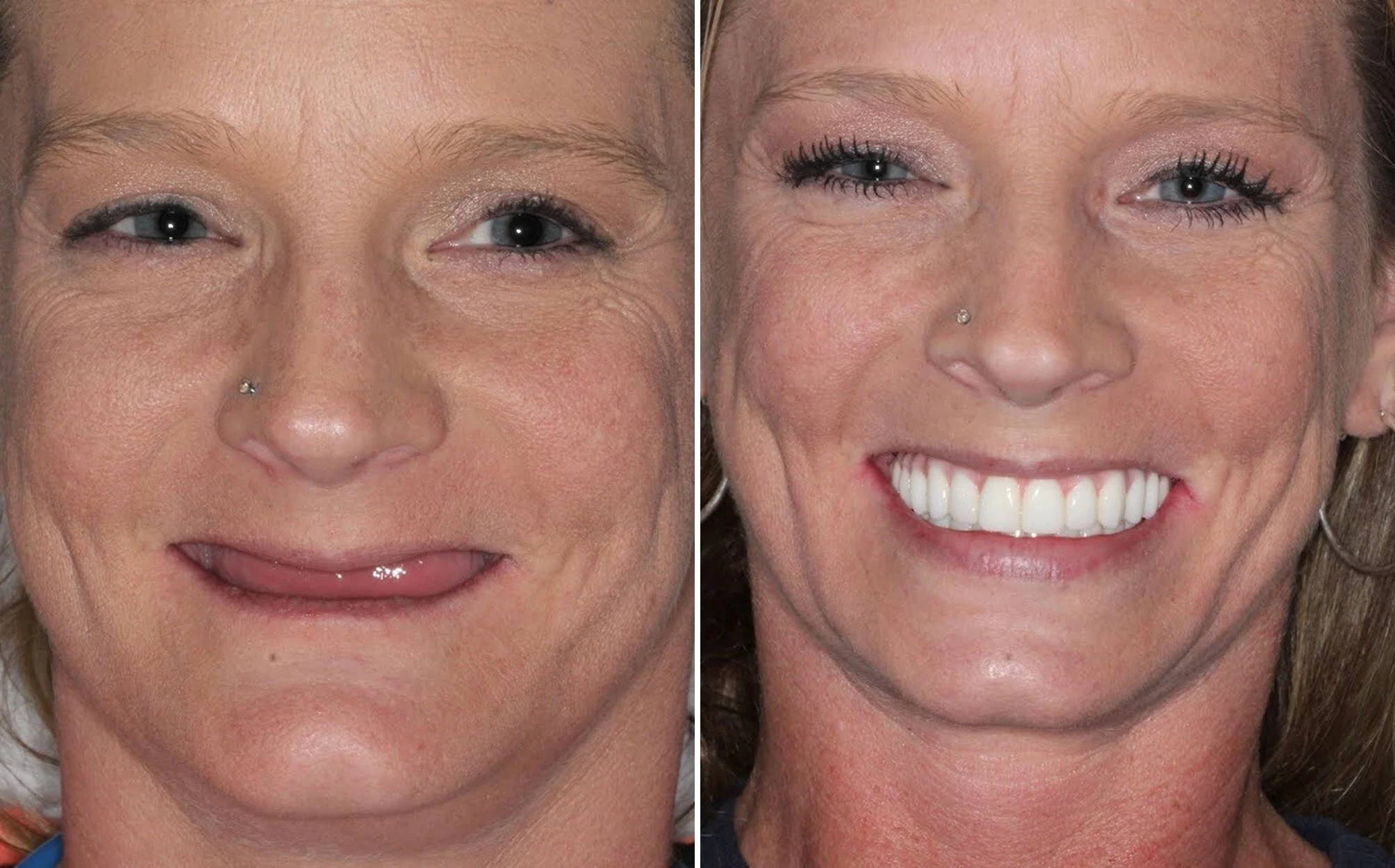
Starting Condition: Severe bone loss complicated treatment planning.
3D Treatment Plan: Dr. Gordon’s plan included sinus grafting and advanced techniques, guided by 3D imaging for this Kansas City-area patient.
Clinical Outcome: The photos show the full-arch implant result before (left) and after treatment (right); individual results vary.
The only way to know how much bone you have is a 3D CT scan — and yours is free. At your consultation, Dr. Gordon reviews the scan with you, shows you what he sees, and lays out the plan, including any grafting, with your exact cost. If you have been told you don't have enough bone, this is the visit that answers it.
Often, yes. Bone grafting and a sinus lift can rebuild the bone implants need. A free 3D CT scan shows what is possible for you.
Bone grafting adds bone where it is needed so a dental implant has something solid to anchor to. It is planned from your 3D CT scan.
A sinus lift adds bone in the upper jaw, below the sinus, so an implant can be placed in the upper arch. It is planned from your 3D CT scan.